SABC TV Licences should be a choice in 2026 or They will face consumer rejection
SABC . . . a government parastatal should find funding by earning it like other content creators
The South African Broadcasting Corporation (SABC) is now openly discussing moving from an annual TV licence fee to a device-neutral media levy or household tax — a radical shift in how public broadcasting is funded. But before we accept that idea, we need to ask a simple question: Why should citizens be forced to pay for a service the vast majority neither watch nor engage with?
Let’s ground this debate in reality.
The TV Licence Is Already Failing
Right now, the traditional TV licence — in South Africa roughly R265 per year — is already collapsing under the weight of non-compliance. Less than 15–20% of households actually pay their TV licence fees, meaning roughly 80–85% of people avoid payment altogether. The SABC billed nearly R4.9 billion in TV licence fees for the 2024/25 year but recognised only about R758 million in revenue, leaving an estimated R4.2 billion in uncollected fees.
This is not a minor administration challenge — it is a systemic rejection of the premise that South Africans want to fund this model.
People Don’t Watch SABC Content — They Stream
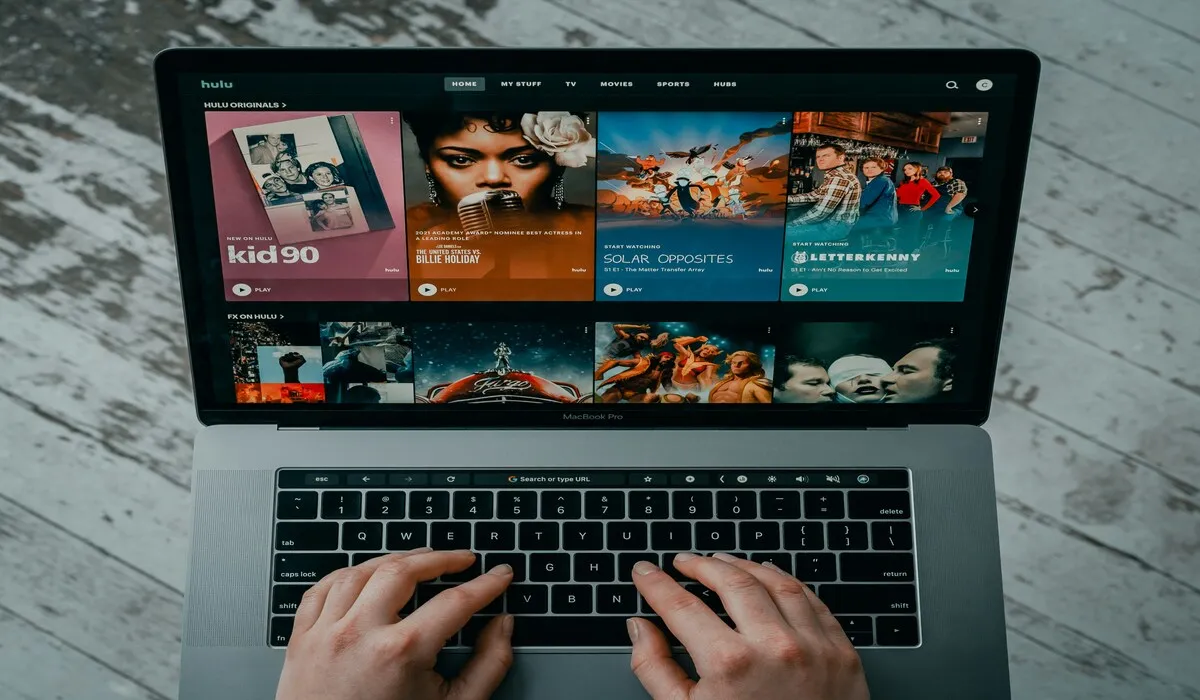
The SABC itself acknowledges that the old TV licence is “unsustainable” and no longer relevant because it assumes most people still watch broadcast television on a single living-room screen. In reality, South Africans consume content across smartphones, laptops, tablets, gaming consoles and streaming platforms — from Netflix to YouTube to Amazon Prime and Disney+.
This isn’t speculation — it’s observable behaviour. Most people under 40 — and even a growing number of older viewers — don’t switch on traditional broadcast channels unless they have to. They stream what they want, when they want.
I haven’t watched or interacted with anything from the SABC in over a decade. And I know dozens of people who have done exactly the same.
Yet the broadcaster wants to extend the tax net to include devices people use exclusively for digital, non-SABC content.

The Cancellation Process Is Broken
This article at MyBroadband shows that even the process designed to let people stop paying the licence fee is cumbersome at best. The law says that if you dispose of your television set, you no longer need a licence — but in practice you must submit affidavits, paperwork, and proof that can be ignored. Many users report no responses or being bounced between departments.
In other words, even if a citizen does not use the service — and even if they genuinely don’t own a TV — the system makes it difficult to opt out.
That’s a problem.
A Tax Without Consent Is a Problem
Let’s be honest about what’s being proposed. A media levy or household tax is effectively a compulsory fee tied to digital connectivity — not to engagement, consumption, or even access to SABC content.
In any other sector, this would be unthinkable:
- You don’t pay a tax for a gym membership you never joined.
- You don’t pay for a newspaper subscription you never signed up for.
- You don’t pay for software you never installed.
So why should you pay for public broadcasting content you never watch?
This isn’t about whether the SABC deserves funding; it’s about fairness and choice.
If the SABC believes it provides value, then it should find ways to earn voluntary engagement and voluntary funding — by creating content people actually want to watch, by innovating in the digital space, and by partnering with platforms where audiences already live.
But to tell citizens that because they own a device, they must pay — regardless of usage — is a punitive leap that undermines the very concept of public broadcasting.
South Africans Have Already Voted With Their Attention
The TV licence compliance figures tell the real story.
When only 15–20% of people pay for a service, you cannot argue that it is still broadly valued. You can argue it should be, but you cannot argue convincingly that it is.
Forcing people to pay for something they neither use nor want creates resentment, not support.
If the SABC wants sustainability, it needs innovation, integrity, and relevance — not a compulsory levy on devices that have become synonymous with choice and freedom.
Public broadcasting should be funded by public trust, not public compulsion.
And until the SABC earns that trust — it has no moral basis to tax our households for content we don’t consume.
Note: This opinion piece forms part of a two-part series examining the SABC’s proposed shift toward a household or device-based funding model. While acknowledging the broadcaster’s financial challenges, the series questions whether compulsory fees are fair or sustainable in an era where most South Africans consume content via global streaming platforms they already pay for. The views expressed are those of the author and aim to contribute to a constructive public discussion on relevance, accountability, and choice in modern media consumption.
This article is followed by a second opinion piece examining the SABC’s possible justification for a digital or household levy — and why that reasoning may not hold up in practice.
Share this content:

Post Comment