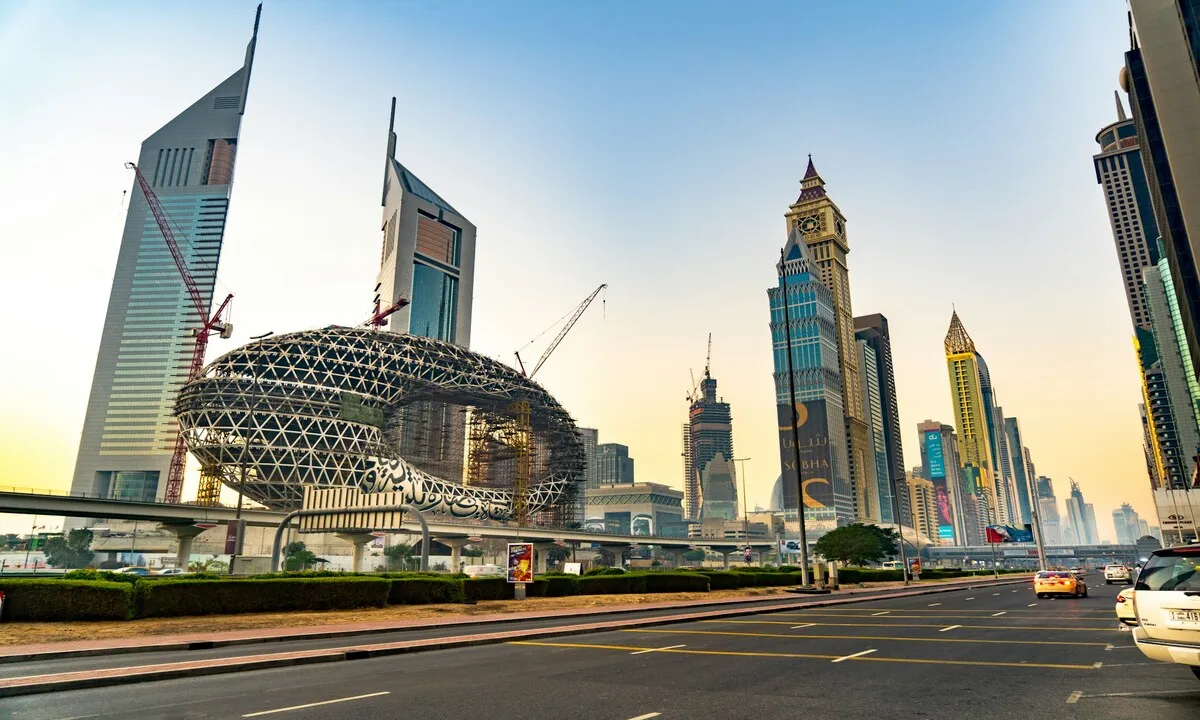
War and Reconstruction: Estimating the Cost of Damage Across the UAE, P2
War anywhere in the world has ripple effects across regions and economies. When tensions escalate across the Middle East, even countries far from the battlefield can face economic disruption.
The United Arab Emirates, one of the region’s most important aviation and tourism hubs, relies heavily on stable international travel networks. During periods of war-related tension, airport closures, cancelled flights, and infrastructure damage can quickly translate into major financial losses. If critical infrastructure were damaged during a wider war scenario, rebuilding costs could reach billions of dollars.
The Importance of Aviation During War Disruptions
Aviation is one of the most sensitive sectors during war.
The UAE hosts one of the busiest airports in the world, Dubai International Airport, which serves as a primary connection point between Europe, Asia, and Africa.
In a war environment, several economic pressures appear immediately:
- Flights are cancelled or diverted
- Thousands of passengers may need emergency accommodation
- Cargo logistics are delayed
- Tourism activity declines
- Airport infrastructure may require repair
Even short interruptions caused by unforeseen incidences can lead to hundreds of millions of dollars in aviation losses.
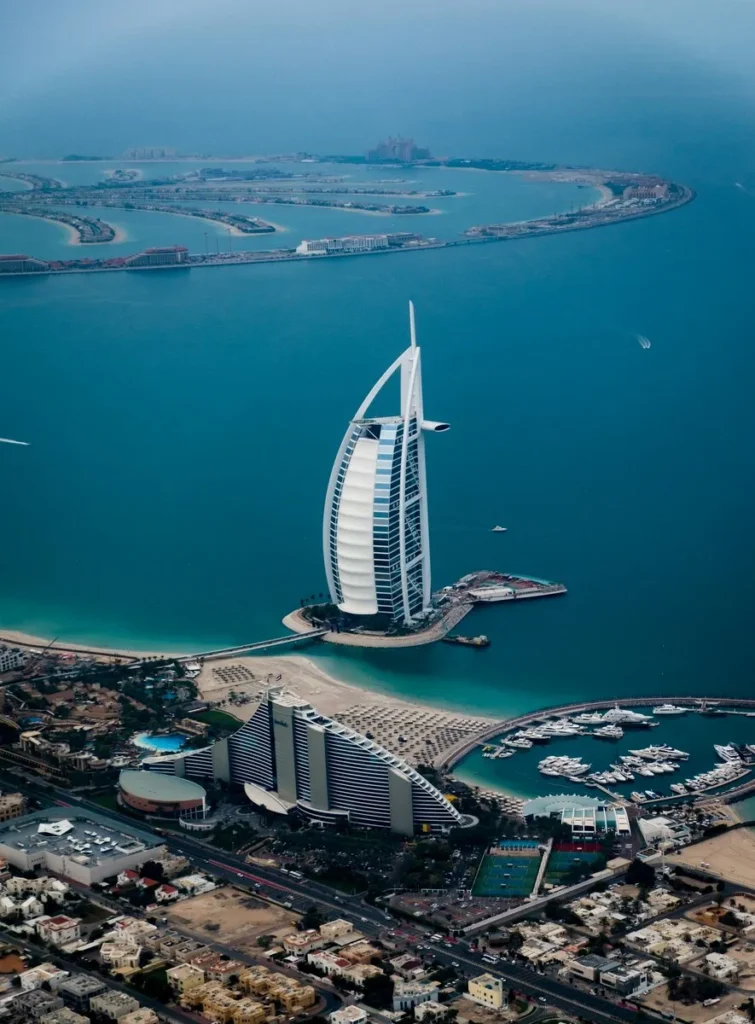
The Economic Ripple Effects
Cities such as Dubai, Abu Dhabi, and Al Ain are global commercial centers. When war disrupts regional airspace or infrastructure, the economic ripple spreads across hotels, transport systems, and tourism industries.
During war-related disruptions, governments often need to fund:
- Emergency passenger accommodation
- Airport repairs and runway maintenance
- Increased airspace monitoring and security
- Recovery programs for tourism and aviation sectors
If major infrastructure such as airport terminals or logistics systems were damaged during a war scenario, reconstruction costs could easily exceed $5–10 billion depending on the scale of repairs.
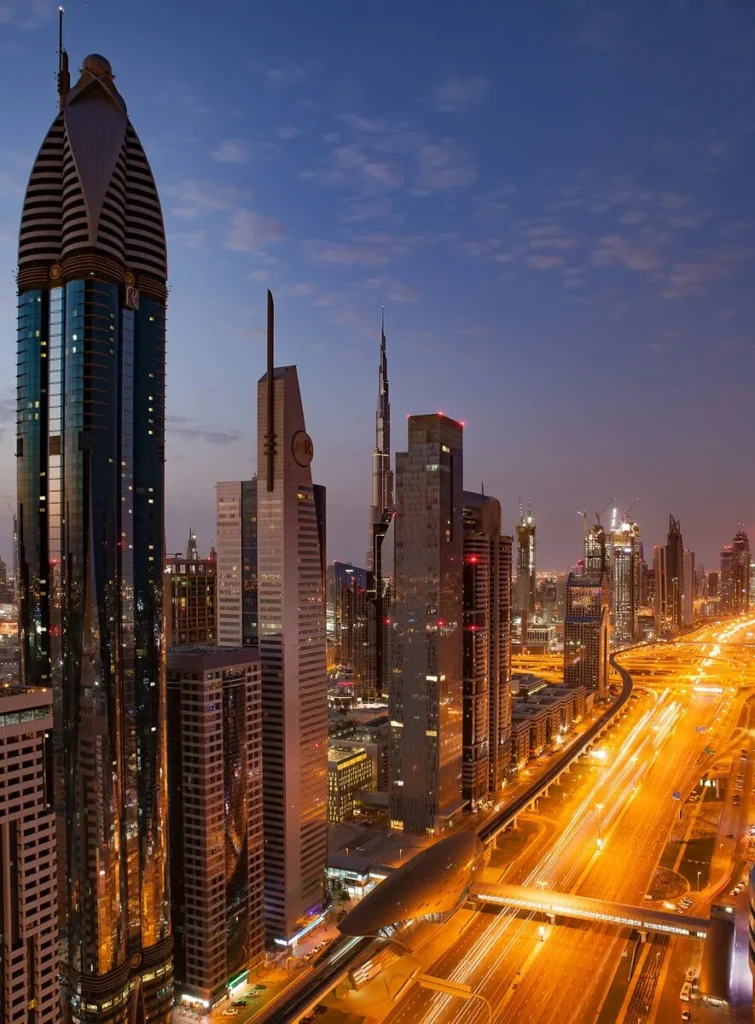
Housing, Logistics, and Emergency Support
Another cost of the disruption involves humanitarian and logistical support. Passengers stranded due to war-related flight cancellations must often be housed temporarily in hotels across multiple cities. Governments, airlines, and travel operators may share the cost of accommodation, food, and transport during these disruptions.
Large international airports operate like small cities. When these battles interrupt their operation, the financial burden spreads across airlines, tourism operators, cargo companies, and national economies.
Rebuilding After War Disruption
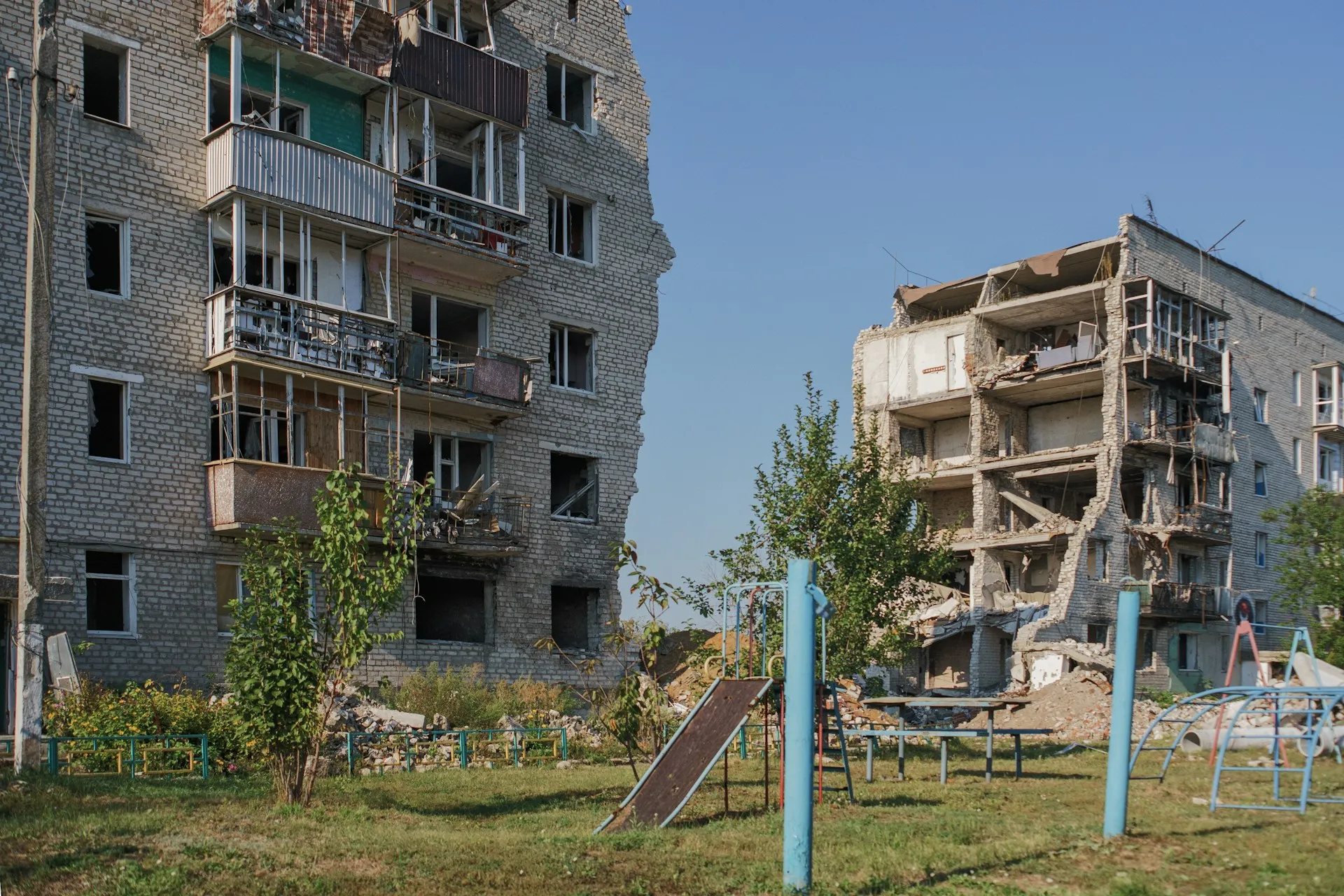
Reconstruction after an event such as battle with another country is not limited to rebuilding damaged buildings. It also involves restoring global confidence in travel and trade.
For a country like the UAE, rebuilding after an unforeseen disruption would focus on:
- repairing airport infrastructure
- restoring international flight routes
- stabilizing tourism markets
- rebuilding logistics networks
The goal after any conflict is not simply recovery, but the restoration of economic stability and global connectivity. Battles may disrupt the systems that keep the modern world moving. But rebuilding them — airport by airport, city by city — is what ultimately restores stability after conflict.
ICYMI: The Cost: What It Takes to Rebuild Nations After Conflict, P1
Follow us for more stories, or contact us with your business news.

Please share our stories!
Share this content:

Post Comment