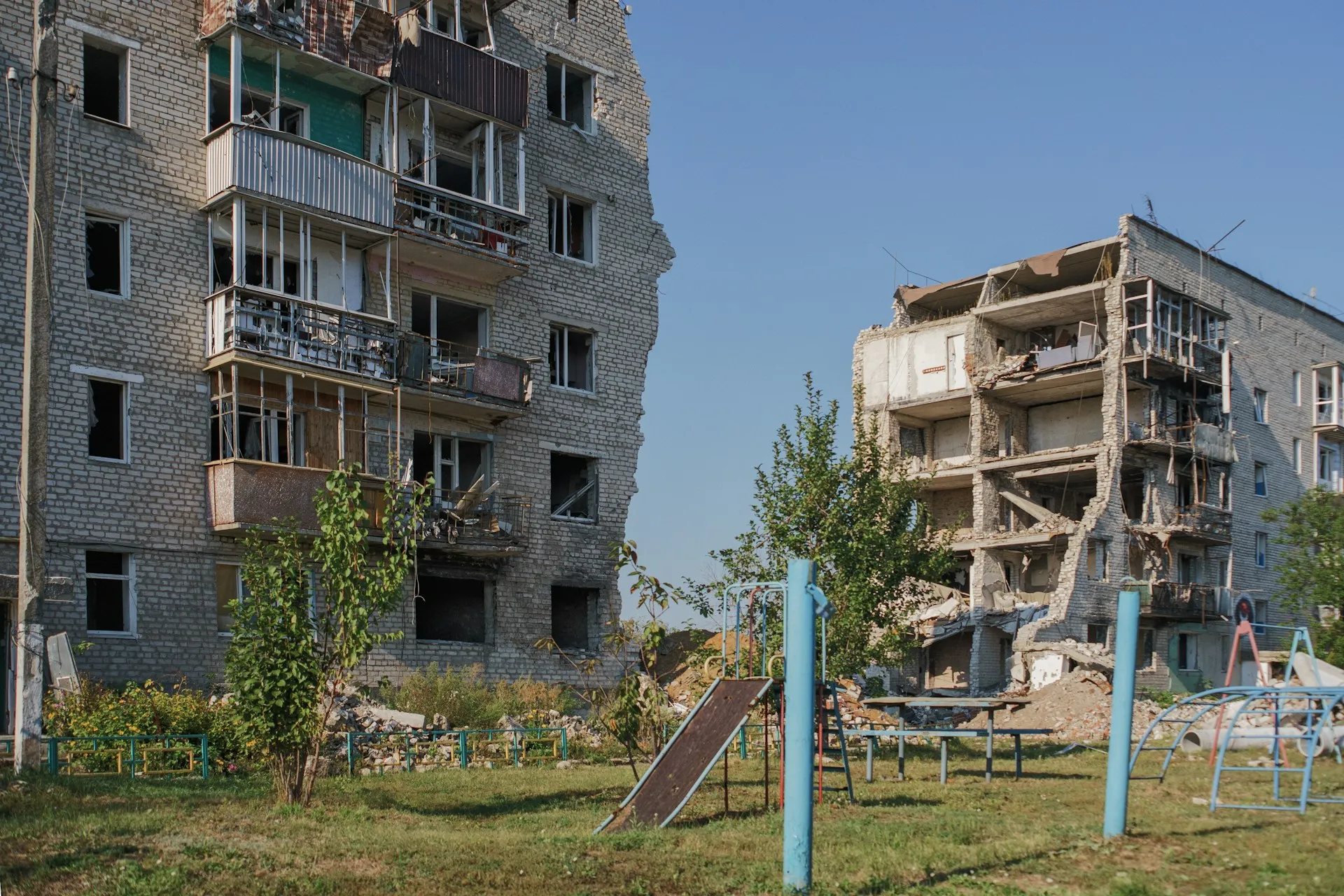
The Cost of War: What It Takes to Rebuild Nations After Conflict, P1
War is often discussed through politics, military strategy, or diplomacy. Yet long after a battle ends, another reality emerges — the enormous financial burden of rebuilding a country.
Modern war does not only affect military targets. It damages housing, roads, energy systems, airports, schools, and hospitals. Rebuilding these foundations can cost hundreds of billions of dollars, placing immense pressure on governments and global financial systems.
For economists and insurers, the true cost is measured not only in destruction but also in decades of recovery.
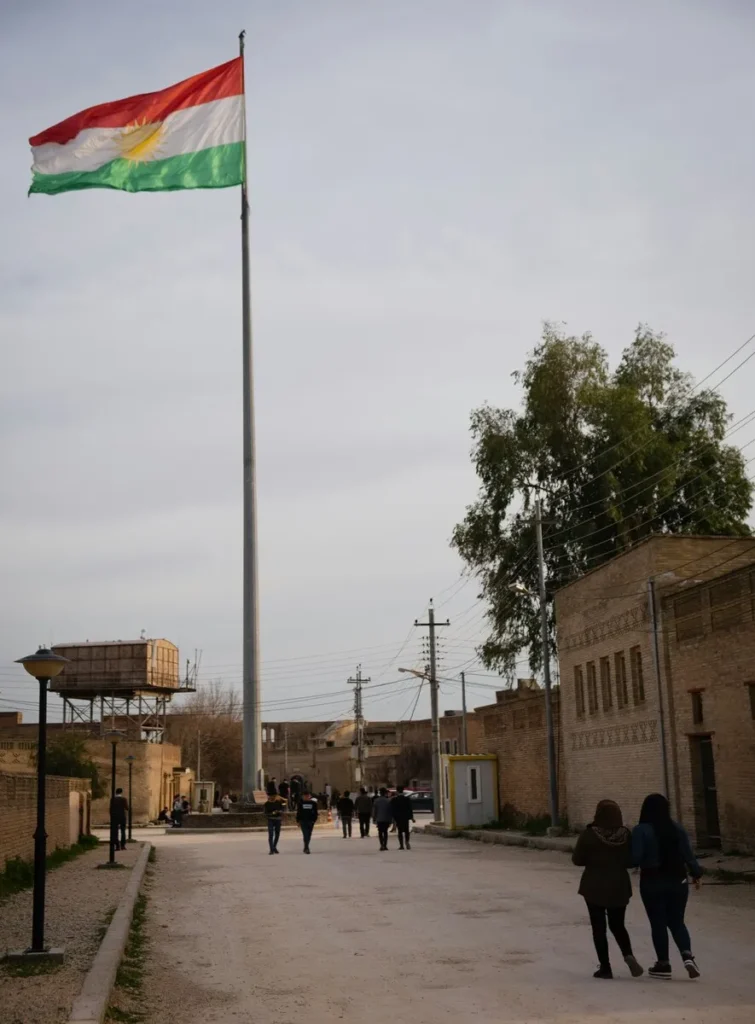
Massive Reconstruction Costs
A single modern war can damage entire economic ecosystems. Infrastructure that took decades to build may be destroyed within weeks.
Typical reconstruction following war includes rebuilding:
- Residential housing
- Electricity and water systems
- Transport infrastructure such as highways, ports, and airports
- Hospitals and medical facilities
- Schools and universities
- Government buildings and administrative systems
After major destructive events, reconstruction costs can reach staggering levels.
For example:
- Rebuilding Iraq after years of conflict was estimated at over $88 billion.
- Reconstruction estimates for Syria have exceeded $200 billion.
- The economic damage from the Iran-Iraq war in the 1980s exceeded $600 billion for Iran alone.
These figures illustrate how a single battle can reshape a nation’s financial future.
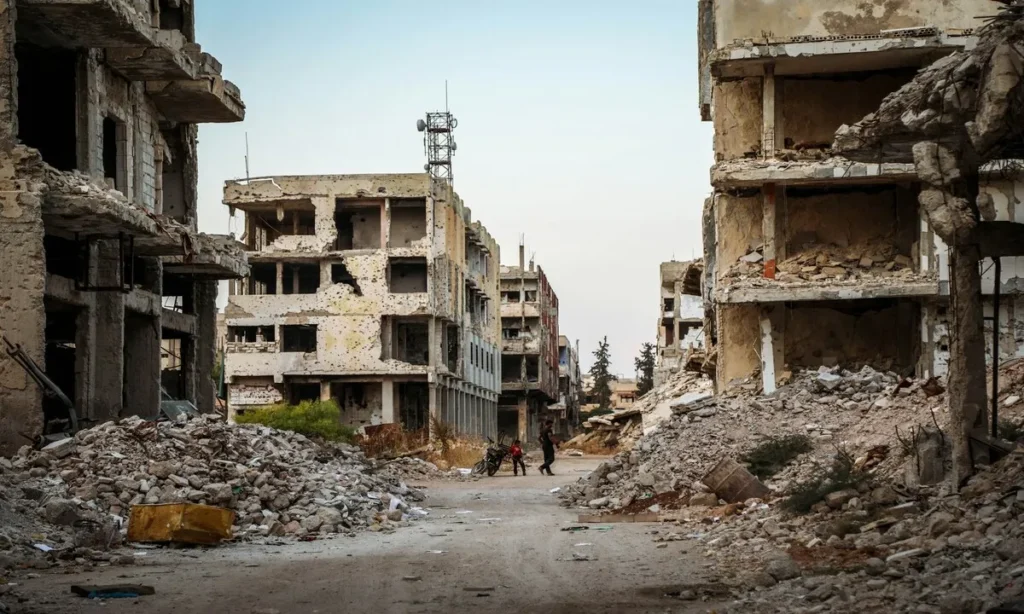
The Hidden Economic Damage
Physical destruction is only one part of the financial impact of war. The deeper damage often appears in the years that follow.
A destrutive battle can trigger:
- Collapse in tourism and aviation
- Loss of foreign investment
- Currency instability and inflation
- Disruption to global supply chains
- Long-term unemployment
When fighting interrupts trade routes or energy production, the ripple effects can reach global markets. This is why economists often describe war as one of the most expensive disasters a country can face.

Who Pays to Rebuild?
Most private insurance policies exclude damage caused by war. As a result, the responsibility for reconstruction usually falls to governments, international lenders, and global development institutions such as the World Bank.
Funding reconstruction after war may involve:
- International aid programs
- Sovereign loans
- Foreign investment partnerships
- Public infrastructure programs
In many cases, rebuilding after a destructive event becomes a generational project, requiring decades of economic planning.

The Long Financial Shadow
The physical rebuilding after a battle may take years, but restoring economic stability often takes much longer. Cities can be rebuilt. Airports can reopen. Roads can be repaved. But confidence, investment, and economic momentum often take decades to recover after war. For policymakers, economists, and insurers, the central question after any battle is not simply how the conflict unfolded.
The real question becomes: how much will it cost to rebuild everything that war has destroyed?
Follow us for our coverage on business, reinsurance and more!
Share this content:


Post Comment