Aspaldiko is deeply rooted in the past yet it is still richly relevant in 2026
Aspaldiko is a word that arrives gently, carrying time, memory and emotion within them. It is a deeply human word and rich in cultural nuance.
What Does Aspaldiko Mean?
Aspaldiko is a Basque word that translates loosely as “from a long time ago,” “long-standing,” or “something deeply rooted in the past.” It is often used to describe traditions, relationships, memories, or feelings that have endured quietly over time.
Unlike many words that describe the past, aspaldiko carries warmth rather than distance.
The Origin and History of Aspaldiko
The word comes from Euskara, the Basque language, one of the oldest living languages in Europe and famously unrelated to any other known language family. This linguistic isolation gives Basque words a distinct character and depth.
Aspaldiko is formed from aspaldi, meaning “a long time,” combined with the suffix -ko, which indicates belonging or origin. Together, the word suggests something that belongs to long ago — not forgotten, but preserved.
Historically, Basque culture places strong emphasis on ancestry, continuity, and place. Words like today’s word reflect a worldview in which the past remains present, shaping identity and daily life.
Why this mysterious word resonates today
In a fast-moving world, aspaldiko feels almost radical. It values longevity over novelty and depth over speed. Linguists note that such words endure because they express emotions that modern languages often struggle to articulate simply.
Among reflective words, aspaldiko reminds us that not everything old is outdated — some things grow more meaningful with time.
How to Use it in a Sentence
- “Their friendship was aspaldiko, shaped by years of shared silence and understanding.”
- “She returned to an aspaldiko way of living, slower and more grounded.”
As we continue exploring evocative words, aspaldiko shows us that language can honour time — not as something lost, but as something lived.
A little about the Basque
What Does “Basque” Mean?
Basque describes the indigenous people who live in the Basque Country, an area spanning:
Northern Spain
Southwestern France
The people call themselves Euskaldunak, and their language is called Euskara.
Why Basque Is So Unique
The Basque language (Euskara) is one of the most fascinating in the world because it is a language isolate — meaning it is not related to any other known language family. Unlike Spanish, French, or English, it does not descend from Latin or Indo-European roots.
This makes Basque older than many modern European languages and a subject of deep interest for linguists.
Cultural Meaning of Basque
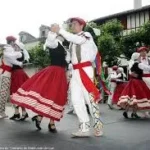
Beyond language, Basque also refers to a rich cultural identity known for:
Strong community ties
Distinct traditions, music, and cuisine
A deep connection to land and ancestry
The word itself does not translate into another language — it names a people, their heritage, and their way of life.
Previous word in the series

Share this content:

Post Comment